


How Chevy Financing Options Help Louisiana Businesses Expand Their Commercial Vehicle Fleet
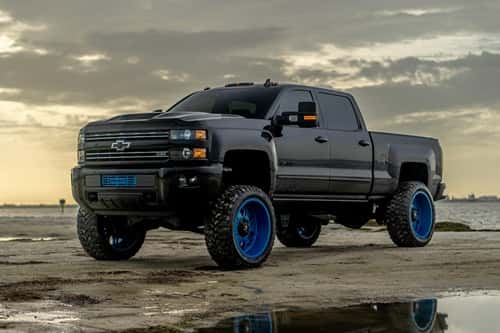 Growing a fleet in Louisiana usually is not about wants. It is about need. One new contract lands, routes get longer, or downtime starts costing real money. That is where Chevy financing earns its place. Instead of pulling from cash you need for day-to-day expenses, financing lets you bring in new trucks or vans while still covering payroll, fuel, and supplies.
Chevy’s commercial financing is built for vehicles that work for a living. The terms give you room to breathe, rates stay reasonable, and monthly payments are easy to plan around. That makes planning easier when revenue shifts month to month. You know what the vehicle costs and how it fits into your operating budget.
For companies running Louisiana commercial trucks and vans, that balance is critical. Heavy loads, rough access roads, and tight schedules leave little room for financial missteps. Financing supports steady, intentional growth. Fleets expand when work requires it, not when cash finally frees up, using vehicles built to handle real-world demands.
Why Louisiana Businesses Depend on Reliable Chevy Fleet Vehicles
In Louisiana, work vehicles do not get an easy life. Contractors in Baton Rouge bounce between job sites all day. Oil and gas crews near Lake Charles haul heavy gear down rough access roads. Farmers in smaller parishes rely on pickups and vans that start before sunrise and shut down late. Add heat, humidity, sudden storms, and long highway drives, and wear shows up fast. That is why fleet planning matters. Keeping vehicles on a smart replacement cycle helps avoid breakdowns, surprise repairs, and missed jobs. When trucks are reliable, crews stay on schedule, and businesses run more smoothly across the state.
How Chevy Financing Supports Smart Fleet Growth
Chevy financing makes fleet growth easier to manage, especially when cash needs to stay flexible. Instead of writing a large check upfront, businesses can spread vehicle costs over time with loan terms that fit how revenue actually comes in. Competitive rates and commercial incentives help keep expenses predictable. It keeps cash available for payroll, equipment, fuel, and everyday expenses. It also allows businesses to add trucks or vans as work increases, instead of waiting months to make it happen. Growth stays measured, budgets remain predictable, and the fleet keeps up with actual demand.
Budget Stability and Cash Flow Advantages
Fixed monthly payments make budgeting straightforward. You know the exact amount due each month, which makes planning expenses easier and keeps surprises out of the equation. Financing also gives businesses room to time vehicle additions around busy seasons or new contracts. Instead of scrambling in the middle of a project, fleets are ready ahead of demand. Cash flow stays consistent, and operations do not slow down because of equipment gaps.
Leasing Versus Buying for Commercial Fleets
Leasing and buying both work. It really depends on how your vehicles earn their keep. Buying means owning the truck or van outright over time. It usually makes sense for trucks and vans that log serious miles and stay in service year after year. Once they are paid off, costs drop, and you can keep them running as long as they make sense for the business. That is often the right move for core vehicles that are always on the road.
Leasing works differently. Instead of owning the vehicle, the business uses it for a set period and mileage limit. This approach fits fleets with predictable routes or planned replacement cycles. Leasing keeps vehicles newer, helps avoid rising repair costs, and removes the need to sell older units. When needs change, leasing is easier to adjust than ownership.
Operational Flexibility Through Commercial Leasing
Leasing offers breathing room. Monthly payments are usually lower, which helps with cash flow. Lease terms usually match the warranty period, which helps keep repair costs predictable. You can switch out vehicles before they start having too many issues, and it is easier to add more when you get busier. It is a flexible way to keep the fleet in step with the work.
Tax Benefits and Cost-Saving Opportunities
Expanding a fleet can come with solid tax benefits when it is planned carefully. Many businesses use depreciation to spread the cost of work trucks or vans over several years, easing the hit on cash flow. In certain situations, Section 179 allows qualifying vehicles to be written off mostly upfront in the year they go into service. That can make a Chevy fleet expansion look far more manageable once the numbers are laid out.
These benefits matter most when vehicles are added to support growth, not just replace old ones. Reducing taxable income can free up cash for hiring, equipment, or other improvements. Other factors also matter. Eligibility rules, vehicle weight, and how the vehicle is used all play a role. That is why it makes sense to loop in a tax professional before making decisions. When everything is set up correctly, tax planning can significantly lower the overall cost of expanding a fleet.
Expanding a Fleet with Help from Local Chevy Specialists
Growing a fleet in Louisiana works best when it is done with people who understand local business demands. A Chevy dealership fleet team knows how trucks and vans are used across job sites, rural routes, and long highway runs. Working with specialists gives businesses a chance to compare vehicle options, review commercial programs, and choose setups that match real workloads. Financing can be aligned with cash flow, replacement cycles, and growth plans instead of guesses. Local support also means clearer answers and smoother follow-through. When fleet decisions are handled close to home, expansion feels more practical and far better planned.
Get Chevy Financing for Louisiana Businesses at Red River Chevrolet
Fleet decisions feel less complicated when you’re working with people who understand the local market. At Red River Chevrolet, our team takes time to learn how your Louisiana business operates and helps you choose financing options that actually fit the way you work. The team walks through financing options and commercial programs without any pressure. If you’re planning to add vehicles or refresh your fleet, connecting with us gives you a practical starting point and a smoother path forward.
Chevy Commercial Fleet Financing Frequently Asked Questions
▶ What is the easiest way to finance a commercial Chevy fleet in Louisiana?
The simplest approach is to work with a Chevy commercial dealer to compare loan and lease options, then match terms to your business cash flow and vehicle needs in Louisiana.
▶ What requirements do Louisiana businesses need to meet for commercial vehicle financing?
Most businesses need proof of registration, business financial details, insurance, and identification. Lenders may also review credit history and vehicle use for eligibility.
▶ How long does the commercial truck financing process usually take?
Many fleet purchases can be completed in 1 to 3 days once documents are ready. Larger fleet orders or specialized upfits may take longer depending on availability.
▶ What steps are involved in expanding a commercial fleet with Chevy financing?
You choose the right trucks or vans, review financing or leasing terms, confirm monthly costs, complete approval paperwork, and schedule delivery for business use in Louisiana.
▶ What is the difference between leasing and buying commercial vehicles for a fleet?
Buying builds long-term ownership and works well for high-mileage vehicles kept for years. Leasing offers shorter replacement cycles, lower monthly payments, and easier fleet upgrades.
▶ What risks should businesses consider when financing fleet vehicles?
Common risks include overextending monthly payments, choosing the wrong vehicle capacity, or underestimating operating costs like fuel, maintenance, and insurance.
▶ How do local Louisiana work conditions affect fleet vehicle choices?
Louisiana businesses often face heat, storms, rough job sites, and long highway routes, which can make durability, payload, and maintenance planning more important when expanding fleets.
▶ What determines the cost or value of commercial fleet financing?
Total cost depends on vehicle price, loan or lease length, interest rates, mileage needs, down payment, and whether the fleet qualifies for commercial incentives.
▶ Can Louisiana businesses finance heavy-duty trucks or work vans through Chevy programs?
Yes. Many Chevy commercial financing options cover work trucks and vans used for hauling, service routes, and job site operations, depending on business qualifications.
▶ What mistakes should businesses avoid when expanding a commercial vehicle fleet?
Avoid adding vehicles too quickly, skipping cost planning, choosing the wrong lease mileage limits, or overlooking tax rules like depreciation and Section 179 eligibility.
Image by Courtney Sargent is licensed with Pexels License
0 comment(s) so far on How Chevy Financing Options Help Louisiana Businesses Expand Their Commercial Vehicle Fleet