


How Do Dealers Calculate Trade-In Value in Bossier City, LA? Mileage, Condition, and Market Demand
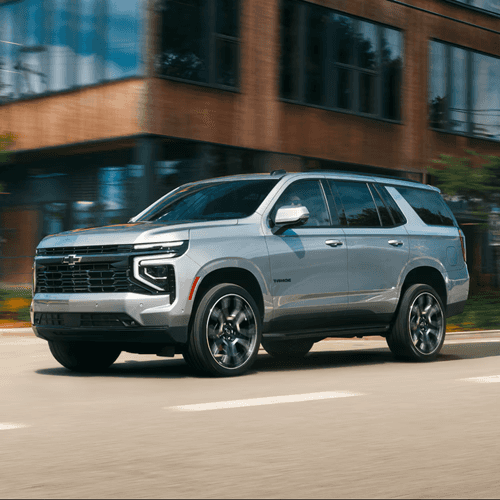 Dealers in Bossier City, LA, calculate trade-in value using recent sales and wholesale prices for comparable vehicles, then adjust for your vehicle’s mileage, condition, equipment and history. Local demand and the cost of preparing your vehicle for resale also affect the offer.
At Red River Chevrolet, we combine those market comparisons with an in-person inspection to assess your vehicle. Below, we explain what can raise or lower your trade-in value, why an offer differs from a retail asking price and how to prepare for your appraisal.
How Dealers Calculate Trade-In Value: Start With the Market
Every car trade-in appraisal begins with market data. Dealers look at recent appraisals and wholesale transactions, plus comparable vehicles. A trade-in range estimate gets adjusted for local conditions, seasonal trends, color, mileage, age, and condition, and these ranges are updated weekly.
Wholesale benchmarks work similarly. They reflect the average wholesale price, odometer, condition grade and build quality of recent transactions, with recent sales carrying more weight, and typical inputs include year, make, model, trim, mileage, features, condition and location.
Two vehicles that look alike can land in different places. Drivetrain and equipment matter, and resale appeal plays a part too. A guide gives you a reference point, while the actual offer depends on the day and the vehicle in front of us. Market conditions change, so the date of an estimate matters as well.
Mileage Relative to Age: How Odometer Readings Shift Value
Mileage affects trade-in value, though no simple per-mile rule governs it. We judge the odometer against what is expected for the vehicle’s age and class, and the rate is nonlinear. Per-mile depreciation also differs by vehicle, so no single table applies to everything.
A common benchmark is about 12,000 miles per year. Lower-than-typical mileage can support a stronger offer. On higher-mileage vehicles, buyers anticipate more wear and maintenance coming due, and the offer tends to drop. Older vehicles with very low mileage can even qualify for an “Outstanding” condition category when well-preserved examples are hard to find.
Mileage is only an indicator of use. A well-maintained high-mileage vehicle can stay marketable, while a low-mileage one can lose value through neglect or damage. Round numbers like 100,000 miles can affect how buyers perceive a vehicle, but they aren’t a universal cutoff, and a vehicle at that mark can keep serving well.
Inspection Findings: How Vehicle Condition Affects Trade-In Value
The inspection turns a general market figure into an offer for your specific vehicle. Used-car pricing starts from a “clean” baseline, then adjusts down by the cost of bringing a vehicle up to that standard. Our master Chevrolet service technicians help us assess condition accurately.
Yes, dealerships inspect trade-ins. We look at how it drives, warning lights, noises, leaks, and the interior and exterior. Condition falls into five categories: outstanding, clean, average, rough, and damaged.
- Clean means minimal wear, no major mechanical or cosmetic problems, and substantial tire tread.
- Average allows normal wear, duller paint, scratches or dings, and some usable tread.
- Rough means several problems and significant repairs, and tires may need replacement.
Under these descriptions, roughly 5% of used vehicles qualify as outstanding, 38% as clean, and 45% as average. Most vehicles are average, and that is perfectly normal.
Tire and Brake Wear
Inspectors check tire wear and brake-pad condition for possible replacement. Uneven tire wear can point to suspension or steering problems. Tires need at least 1/16 inch of tread to be legal, and sidewalls are checked for scuffing, cracks, and bulges.
Worn tires or brakes raise the preparation work before resale, though they don’t trigger automatic fixed deductions. Replacing them right before a trade-in may not return the full cost in a higher offer.
Body Damage and Accident History
We look for dents, scratches, rust, and misalignment, plus paint inconsistencies that can indicate poor repairs. Kinks in structural components, frame welding, or fresh undercoating can signal prior structural repair.
An accident does not automatically rule out “clean” if repairs used factory parts and followed manufacturer specifications. The effect on value depends on severity, repair quality, and demand for the model. A history report is one input, and we weigh it alongside the physical inspection.
Service Records and Maintenance History
History reports may not show work done at independent shops. Service records can document regular maintenance and repairs, and organized records show how a vehicle was cared for.
Missing records do not prove neglect, but they leave us with less evidence. Good records support condition and resale confidence, and they won’t add back what you spent.
Local Used Car Demand and Your Trade-In Offer
Local used car demand shapes what a dealer expects to get when reselling. Appraisals consider supply and demand, incentives, and options, as well as recent nearby transactions. We also consider how quickly a model sells.
Offers can run lower when we already have many similar vehicles in stock. They may run higher for a desirable inventory vehicle when taking the trade avoids auction and transportation fees. Different dealers reach different numbers because their inventory and resale plans differ.
In Northwest Louisiana, trucks and full-size SUVs tend to be popular, but that is a general tendency and no guarantee for any vehicle. For tips on a popular SUV, read about maximizing Chevy Suburban trade-in value in Louisiana.
Why Trade-In Offers Differ From Retail Asking Prices
“Why is trade-in value so low?” is a fair question. Trade-in value is typically the lowest reported value because the dealer factors in reconditioning and lot fees, plus a profit margin. It is the price offered toward another vehicle in our inventory, and it aligns more closely with wholesale than retail.
That gap is the difference between trade-in and retail value. A retail listing also reflects preparation costs and resale risk, which is why a trade-in figure sits below it. Private sales may bring more, but you handle the ads and calls along with the paperwork.
A common myth says dealers lowball for extra profit. Much of the gap actually covers reconditioning and resale risk.
Preparation Costs and Resale Risk Behind a Retail Listing
A dealer taking a trade absorbs preparation, reconditioning, advertising, and sales commissions, along with financing and insurance arrangements. The dealer also stands behind the vehicle for mechanical or safety problems. The risks include time to sell, hidden problems, and changes in demand.
So the gap between what we pay and what we list is not all profit. Trades needing work or with high mileage may go to auction, where the buyer accounts for expected repair costs.
Example Trade-In Appraisal: From Benchmark to Offer
Here is a hypothetical walkthrough for a fictional used midsize SUV. These are illustrative figures, not fixed deductions or a standard dealer formula. Every vehicle is different.
- Starting benchmark: $20,000
- Needed reconditioning: minus $1,000
- Mileage adjustment: minus $500
- Illustrative offer: $18,500
The benchmark reflects market data for similar vehicles. The mileage adjustment covers miles above what is expected for its age. The reconditioning figure covers work needed before resale, such as worn tires. This illustrates the process and is not a quote. Final offers are determined after an in-person appraisal.
To strengthen your offer, try this:
- Gather your service records.
- Bring both keys and the title or payoff information.
- Clean the interior and exterior.
- Fix small cosmetic issues only if cost-effective.
- Do a quick check of tires and brakes.
If you run a business, Business Elite helps commercial and fleet owners with work-vehicle trade-ins. You can also sell us your car or trade it in through our process.
Get Your Trade-In Value at Red River Chevrolet in Bossier City
Our Approach
We have been family-owned since 1931, and we keep our trade-in approach transparent and low-pressure. Ask us how market comparisons, inspection findings, and preparation work shaped your offer. We are happy to explain.
Next Step
Every offer we make follows the steps above, starting with market data and then adjusting for your vehicle’s mileage, condition and local demand. Want a value for your own vehicle? Get an online estimate, then bring it to Red River Chevrolet in Bossier City for an in-person offer.
Photo Courtesy of Chevrolet
0 comment(s) so far on How Do Dealers Calculate Trade-In Value in Bossier City, LA? Mileage, Condition, and Market Demand