


Is It Better to Buy or Lease a Chevy in Louisiana? What Bossier City Drivers Should Know
 Deciding whether to buy or lease a Chevy in Louisiana comes down to five key factors: total cost of ownership, annual mileage needs, Louisiana’s sales tax structure, maintenance responsibilities, and how long you plan to keep the vehicle. At Red River Chevrolet, we’ve helped Bossier City families navigate this decision since 1931, and honestly, there’s no one-size-fits-all answer. Your daily commute to Shreveport, weekend trips around Northwest Louisiana, and long-term financial goals all shape which option makes the most sense. Browse our new Chevy inventory to see what’s available, and let’s walk through what you need to know.
The short answer? Leasing works best for drivers who want lower monthly payments, prefer switching to new models every few years, and stay under 12,000-15,000 miles annually. Buying makes more sense if you drive more than 15,000 miles per year, plan to keep your vehicle for 5+ years, or want to customize your Chevy. We’ll break down the specifics below so you can make the right call for your situation.
What Bossier City Drivers Need to Know About Buying vs Leasing
Leasing essentially means paying for the vehicle’s depreciation during your lease term, plus interest and fees. You drive the vehicle for 2-3 years, then return it. Buying means financing the full purchase price, making payments until you own it outright, then keeping it as long as you want. Each path has distinct advantages depending on your priorities.
Leasing appeals to drivers who want access to the latest Chevrolet technology without long-term commitment. You’ll typically pay less each month, and since most lease terms fall within the 3-year/36,000-mile warranty, you’re covered for most repairs. Buying builds equity and eliminates mileage restrictions. Perfect for high-mileage drivers or anyone who plans to keep their vehicle beyond five years.
Our finance team can create personalized scenarios for both options based on your credit profile, preferred Chevy model, and driving habits. We work with a wide network of Louisiana lenders to find competitive rates whether you’re leasing or buying.
Buy vs Lease: Cost Comparison for Louisiana Chevy Shoppers
Monthly Payments and Upfront Costs
Leasing delivers significantly lower monthly payments because you’re only financing the depreciation, not the vehicle’s full price. Take a Chevy Equinox. It might cost $400 per month to lease versus $600 per month to buy with a similar down payment. Leases also require little to no down payment, though putting money down can further reduce your monthly obligation.
Buying requires higher monthly payments since you’re financing the entire purchase price. We recommend a substantial down payment to avoid being upside down on your loan if you decide to trade or sell before it’s paid off. Working with a tighter monthly budget? Check out our new vehicles under $30K to see what fits your finances.
Total Cost of Ownership and Resale Value
Here’s where buying gains serious ground. Once your loan is paid off, you own the vehicle free and clear. Drive it for another five years with no payments, sell it, or trade it in with equity to put toward your next purchase. That equity represents real value that offsets your initial investment.
Leasing means continuous payments. When your lease ends, you return the vehicle with nothing to show for those payments except the miles you drove. Lease three consecutive vehicles over nine years? You’ll pay more total than if you’d bought one vehicle and kept it for the same period. However, some drivers prefer the predictable budgeting and warranty coverage that leasing provides, even at a higher total cost.
Mileage, Usage, and Driver Habits
Standard lease agreements limit you to 12,000-15,000 miles per year. Exceed that, and you’ll pay penalties ranging from $0.15-$0.25 per mile or higher when you return the vehicle. Those charges add up fast. Drive 18,000 miles annually with a lease allowing 12,000? You’re looking at $900-$1,500 in excess mileage fees each year.
We see this scenario frequently with Bossier City drivers who commute to Shreveport daily or take regular weekend trips within Northwest Louisiana. Calculate your annual mileage before committing to a lease. If you consistently drive over 15,000 miles, buying gives you unlimited mileage freedom without penalties. You can drive as much as needed without watching your odometer nervously as your lease term winds down.
Low-mileage leases (10,000 miles annually) offer slightly lower monthly payments but work only for drivers with truly minimal needs. Be honest about your driving patterns. Underestimating your mileage to save $20 per month could cost you hundreds when the lease ends.
Tax and Registration Differences in Louisiana
Louisiana’s sales tax structure creates a meaningful advantage for leasing. The current state sales tax rate is 5% (effective through December 31, 2029, after which it will drop to 4.75%), but how it’s applied differs between buying and leasing. When you buy a vehicle, you pay state sales tax on the full purchase price – but note that local parish taxes also apply on top of the state rate, so your actual total will vary by location. On a $35,000 Chevy Silverado, the state portion alone would be $1,750, but your total tax at purchase will be higher once local taxes are added.
When you lease, sales tax applies only to your monthly payment amount, not the vehicle’s full price. This significantly reduces your upfront costs. Instead of paying the full tax amount upfront, you’re paying sales tax incrementally with each monthly payment. For buyers managing upfront expenses, this difference can influence which option fits their budget. Get pre-qualified to see how these numbers work with your specific credit profile.
Registration and license fees follow similar patterns whether you buy or lease, though leasing companies sometimes handle registration renewals directly. We’ll walk you through Louisiana’s specific requirements for whichever path you choose.
Warranty and Maintenance Coverage Considerations
What Leasing Covers
Chevrolet’s bumper-to-bumper warranty covers 3 years or 36,000 miles, while the standard Powertrain Limited Warranty extends to 5 years or 60,000 miles. Most lease terms run 24-36 months, meaning your entire lease typically falls within bumper-to-bumper warranty coverage. That said, routine maintenance items such as oil changes and tire rotations are not covered under the bumper-to-bumper warranty and remain your responsibility. Major repairs, component failures, and most mechanical issues are covered at no cost to you.
This predictability appeals to drivers who want stable monthly budgets without surprise repair bills. You know your exact vehicle costs for the lease duration. When the lease ends, you return the vehicle and walk away from any looming maintenance concerns.
What Owners Should Plan For
Buyers enjoy the same warranty coverage initially, but you’ll own the vehicle long after those warranties expire. Once the standard factory powertrain warranty expires, you’re responsible for maintenance and repairs not covered by any additional protection plan. That said, buyers who purchase a new Chevy from us receive a Lifetime Powertrain Warranty, which means powertrain repairs are covered for as long as you own the vehicle – a major advantage for high-mileage, long-term owners. Set aside a monthly reserve for post-warranty maintenance, especially if you plan to keep your Chevy beyond 100,000 miles.
The trade-off? You’re not paying monthly lease payments once your loan is satisfied. That money you’d spend on lease payments can cover maintenance costs and still leave you ahead financially if you keep the vehicle for several years post-payoff.
Which Option Fits Your Driving Profile?
| Factor | Leasing | Buying |
| Monthly Payment | Lower | Higher |
| Down Payment | Low or none | Higher (to avoid being upside down) |
| End-of-Term Ownership | No ownership; return vehicle | Full ownership after loan payoff |
| Mileage Limits | 12,000–15,000 miles/year (typically) | Unlimited mileage |
| Customization | Not permitted | Full freedom to modify |
| Maintenance | Covered under warranty | Your responsibility after warranty expires |
| Flexibility | Easy to switch vehicles every 2-3 years | Can sell or trade whenever you want |
| Long-Term Savings | Higher total cost over time | Lower total cost if kept long-term |
Your ideal choice depends on how you drive, what you value, and where you see yourself in five years. We’ve been serving Bossier City families since 1931 as a family-owned dealership. We’ve learned that understanding your specific situation matters more than any generic advice.
Questions to Ask Before You Decide
Work through these questions before deciding which path fits your needs:
- How many miles do you drive annually? If you exceed 12,000 miles yearly, buying avoids costly excess mileage penalties. Bossier City drivers who commute to Shreveport or take frequent regional trips often find leasing’s mileage caps too restrictive.
- Do you plan to keep your vehicle for 5+ years? Long-term ownership makes buying more economical since you’ll eventually eliminate monthly payments while retaining a functional vehicle.
- Do you want to customize or modify your vehicle? Lease agreements prohibit modifications. Buyers can add aftermarket accessories, lift kits, or any upgrades they choose.
- What’s your budget for unexpected repairs after the warranty expires? Buying requires a financial cushion for post-warranty maintenance. If this creates stress, leasing’s predictable costs might suit you better.
- Do you prefer driving the latest models with new technology? Leasing lets you switch to a new Chevrolet every 2-3 years, keeping you current with safety features, infotainment systems, and efficiency improvements.
- How important is predictable monthly budgeting? Leasing provides stability with known monthly costs and minimal repair expenses. Buying introduces variables once warranties expire.
- Will you need to exceed 12,000 miles per year? Excess mileage fees make leasing expensive for high-mileage drivers. Buyers face no such restrictions.
If you answered “yes” to questions 1, 2, 3, or 7, buying likely fits better. If you prioritized questions 4 and 5, leasing might be your best option. Mixed answers? That’s where our finance team’s expertise helps. We’ll run actual numbers based on your credit, preferred Chevy model, and driving needs to show you real monthly payments, total costs, and break-even points.
Talk to Red River Chevrolet’s Finance Team Today
The buy vs lease decision isn’t one-size-fits-all, and cookie-cutter advice doesn’t account for your specific situation. Our finance team can build personalized scenarios showing exactly what buying or leasing would cost you monthly, what you’d pay in total, and which option saves you more over your typical ownership timeframe. We’ve built relationships with a wide network of Louisiana lenders, giving us flexibility to find competitive rates for your credit profile.
With 95+ years serving Northwest Louisiana (and Bossier City’s 2019 Business of the Year), our reputation is built on transparent, low-pressure guidance. We’re not here to push you toward leasing or buying. We’re here to show you the honest numbers so you can make the right call for your family.
Contact our team to discuss your situation, or call our sales department at (318) 321-5759. We’ll answer your questions, explain how Louisiana’s tax advantages apply to your scenario, and help you drive home in the right Chevrolet with confidence you made the smartest financial decision.
Lease terms vary based on credit qualifications, vehicle choice, and individual circumstances. All Chevrolet vehicles are designed, engineered, and manufactured by General Motors.
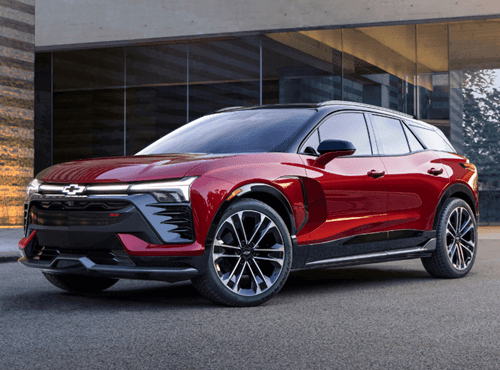
Photo Courtesy of Chevrolet
0 comment(s) so far on Is It Better to Buy or Lease a Chevy in Louisiana? What Bossier City Drivers Should Know